
Top image: Jeremy Segrott from Cardiff, Wales, UK, CC BY 2.0, via Wikimedia Commons
The starting point
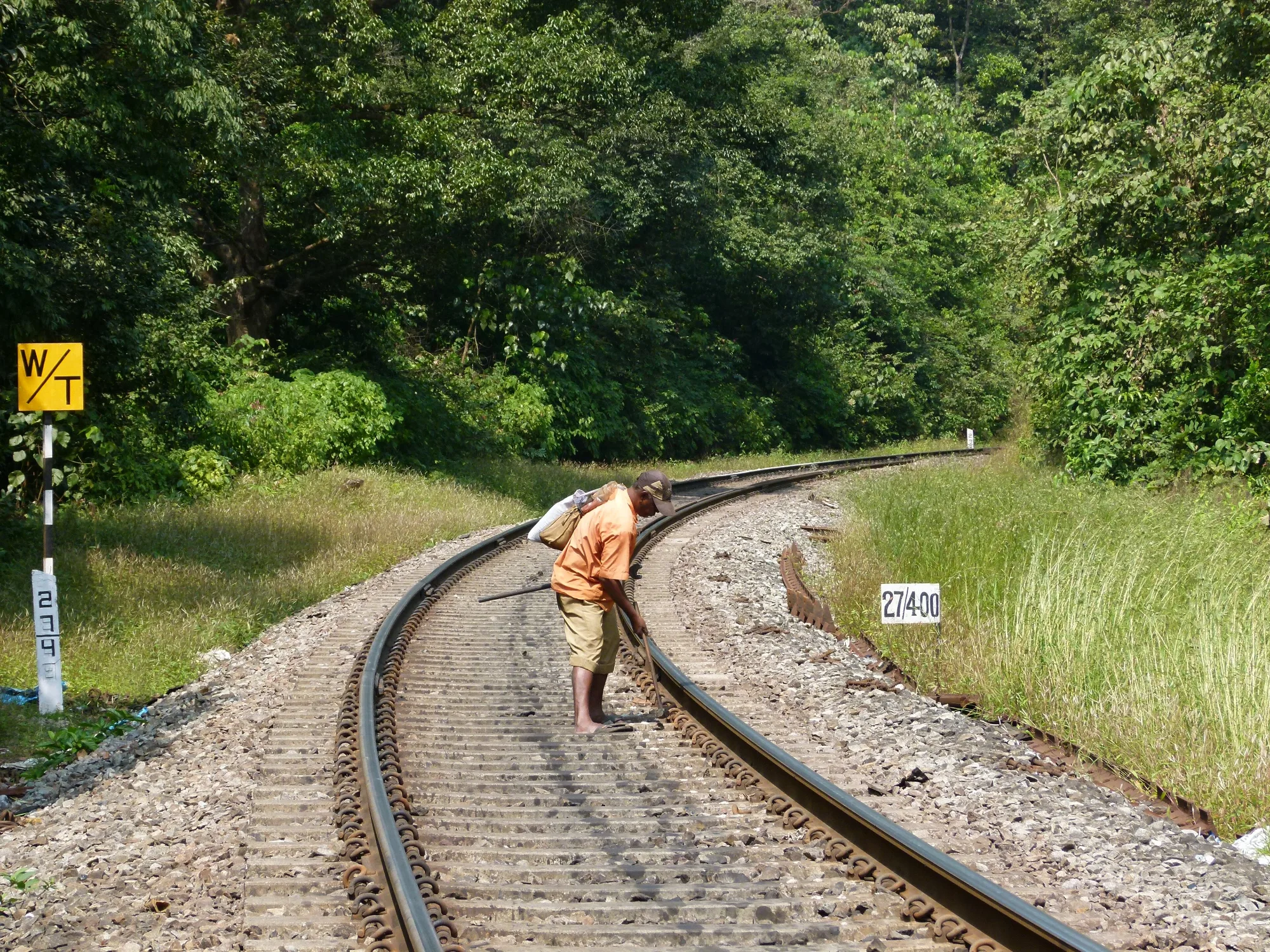
For decades, the usual way to check the condition of the track was to walk it. It is demanding work that puts teams next to lines in operation. In 2012, Network Rail, which manages the railway infrastructure in Great Britain, counted 1.3 million working hours a year spent on track inspection.
How it works
The answer is called Plain Line Pattern Recognition (PLPR). Under the measurement train there are lasers, line-scan cameras and thermal cameras. At 125 miles per hour, about 200 km/h, the cameras take 70,000 images per second: one every 0.8 mm of rail.
- CaptureThe train runs and photographs the track. One run produces about 5 TB of data.
- Automatic detectionThe software flags possible defects, such as missing fastenings, excess ballast or damage to the rail surface.
- ValidationSpecialists review each case. In 2012, of about 15 cases flagged per mile, about 4 were real defects.
- Targeted maintenanceConfirmed defects, with their location, go to the teams responsible for each section.
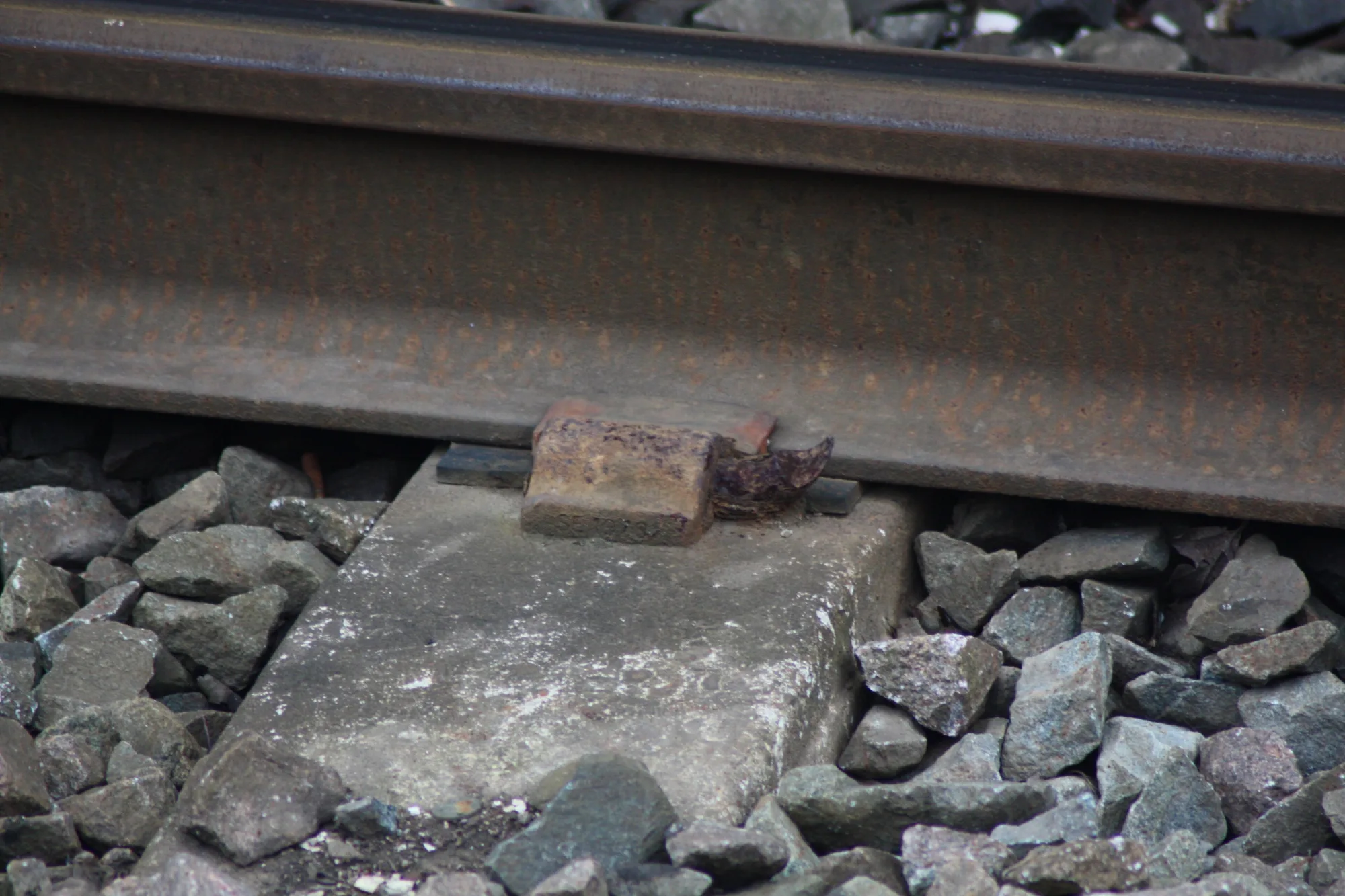
Each run is compared with the previous ones on the same section. This shows not only the condition of the track today, but also how fast it is deteriorating.
The results
In 2019, Network Rail saw potential for about 15,000 miles of track and expected to inspect 975,000 miles between 2019 and 2024. More than the savings, the company stresses safety: teams spend less time on the track and defects are found earlier, before they affect services.
What we take from it
- The system suggests, people decide. Automatic detection filters millions of images, but specialists confirm every defect. That is what makes the results reliable.
- The value is in repetition. Measuring the same section over time shows how each asset evolves and makes it possible to plan maintenance instead of reacting to failures.
- Measurement can travel on trains already running. This is one of the ideas behind the Freight Laboratory Train, which, in operation, will also be able to monitor the track infrastructure.